
Embracing Lineage and Healing:
Finding Resilience in the Wake of Intergenerational Trauma
By Christine D. Patterson | January 31, 2026
The echoes of history resonate deeply within communities, especially for the descendants of enslaved Africans and Jim Crow survivors. The profound and pervasive trauma inflicted across generations has left an indelible mark, shaping not only individual lives but also the collective consciousness. Yet, within this inherited pain lies an extraordinary wellspring of resilience, a profound connection to lineage that offers a unique path to healing and empowerment.
Intergenerational trauma, often unaddressed, can manifest in various ways – from chronic stress and anxiety to physical ailments and systemic disparities. It's a legacy that demands acknowledgment, not as a burden to be carried in silence, but as a crucial aspect of identity to be understood and integrated. For many, connecting with their ancestry becomes a powerful act of reclaiming narrative and fostering a deeper sense of self. It's about recognizing the strength, survival, and wisdom that flowed through those who came before, transforming perceived weaknesses into foundations of fortitude.
This journey of healing is increasingly turning towards holistic practices that honor ancestral roots and cultural heritage. While modern therapies offer valuable tools, there's a growing recognition of the profound efficacy of healing modalities that are intrinsically linked to African traditions. These practices offer more than just relief; they provide a pathway to cultural affirmation, spiritual reconnection, and community solidarity.
One significant avenue for this healing lies in practices that serve as an African-based equivalent to yoga. While the term "yoga" itself is often associated with South Asian traditions, the principles of mindful movement, breathwork, and spiritual connection are universal and have deep roots in various African cultures. For instance:
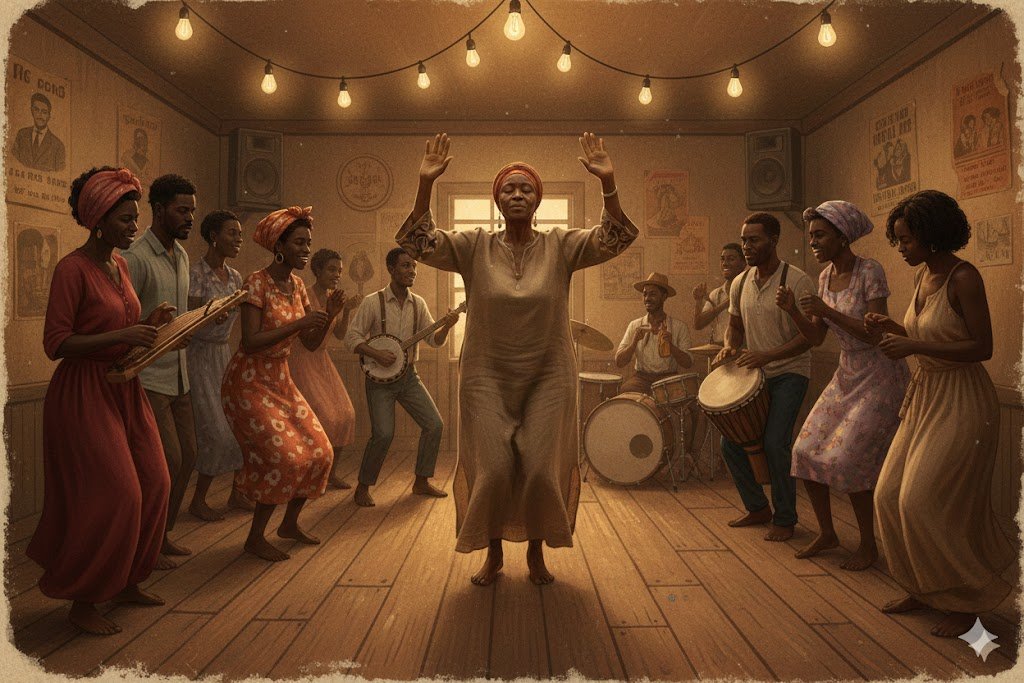
Rhythmic Movement and Dance: African dance, far from being mere entertainment, has historically served as a potent form of spiritual expression, communal bonding, and physical release. It allows for the embodiment of emotion, the telling of stories, and a direct connection to ancestral energies. These movements can be profoundly meditative and physically therapeutic, offering a dynamic form of stress reduction and emotional processing.
Contemplative Practices and Breathwork: Similar to the concept of "Woosah" identified among elder Black women, quiet contemplation and intentional breathwork have long been utilized as tools for inner peace and resilience in the face of adversity. These practices cultivate an internal sanctuary, allowing individuals to ground themselves amidst external chaos and connect with an innate sense of calm.
"Shaking" for Trauma Release: Somatic practices that encourage the body to naturally release tension and trauma, such as "shaking," have parallels in some African healing traditions. This allows the body to discharge stored stress and complete the natural physiological responses to perceived threats that may have been suppressed.
Kemetic Yoga: Modern practitioners of Kemetic Yoga actively trace their lineage back to ancient Egypt (Kemet), highlighting movements and philosophical principles found in ancient African civilizations. This provides a direct and empowering link to an ancestral practice that predates many contemporary forms of yoga, offering a sense of historical continuity and cultural pride.
Beyond movement and contemplation, other lineage-focused holistic healing techniques are proving vital:
Storytelling and Oral Traditions: Sharing family histories, ancestral narratives, and cultural folklore helps to contextualize intergenerational trauma, honor the struggles and triumphs of ancestors, and build a stronger collective identity. It transforms individual experiences of pain into shared narratives of resilience.
Community Building and Collective Healing Circles: Re-establishing and strengthening community bonds, often through sacred circles and gatherings, provides a vital space for shared vulnerability, mutual support, and collective processing of trauma. This mirrors traditional African communal approaches to well-being.
Herbalism and Traditional African Medicine: Connecting with ancestral knowledge of plant medicine and traditional healing practices can offer powerful physical and spiritual remedies, fostering a sense of self-sufficiency and cultural pride in health and wellness.
Ancestral Veneration: Honoring ancestors through rituals, altars, and intentional remembrance strengthens the energetic connection to one's lineage. This practice can provide a sense of guidance, protection, and profound belonging, transforming the perceived absence of ancestors into a felt presence of support.
By consciously embracing these African-based and lineage-focused healing techniques, descendants of enslaved Africans and Jim Crow survivors are not only addressing historical wounds but also actively building a future rooted in self-awareness, community resilience, and cultural pride. The intergenerational trauma, once a source of pain, can be transmuted into a powerful catalyst for profound healing, transforming a difficult past into a foundation for collective strength and an enduring legacy of hope.